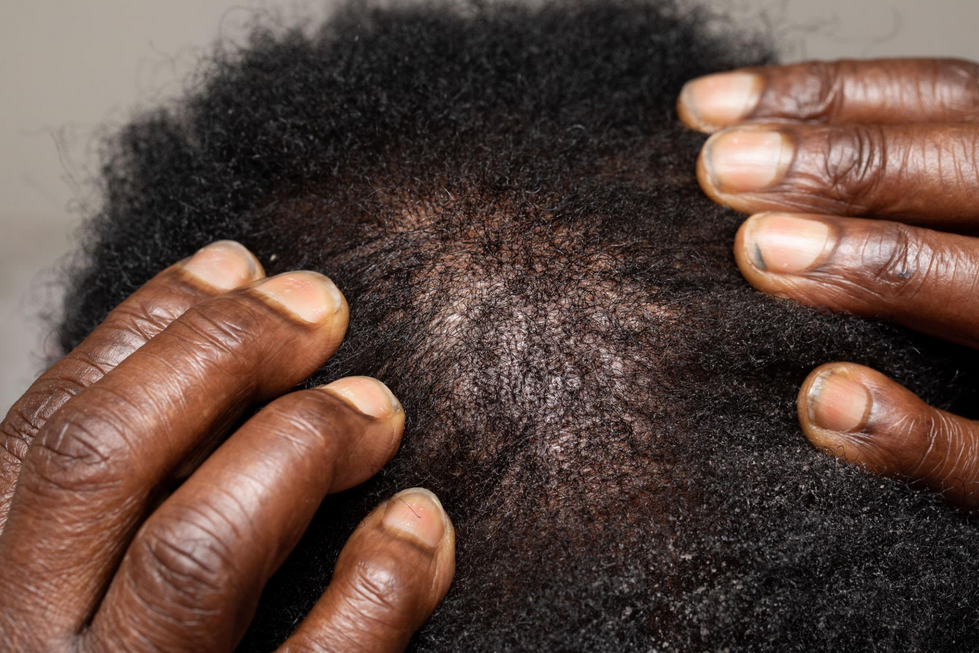
If you’ve recently started using Minoxidil and noticed increased hair fall, it can feel worrying. Many people assume the treatment is not working or worse, making things worse.
In reality, this is a very common phase known as minoxidil shedding, and in most cases, it is completely normal.
Understanding the Hair Growth Cycle
Hair grows in cycles:
- Anagen (growth phase)
- Catagen (transition phase)
- Telogen (resting/shedding phase)
At any given time, some hairs are growing while others are preparing to fall out.
What Minoxidil Does
Minoxidil works by improving blood flow to the scalp and stimulating hair follicles. One of its key effects is that it shortens the resting phase and pushes hair into the growth phase faster.
Products by Tag
Gro-Mate 5% Minoxidil and Finesteride Solution
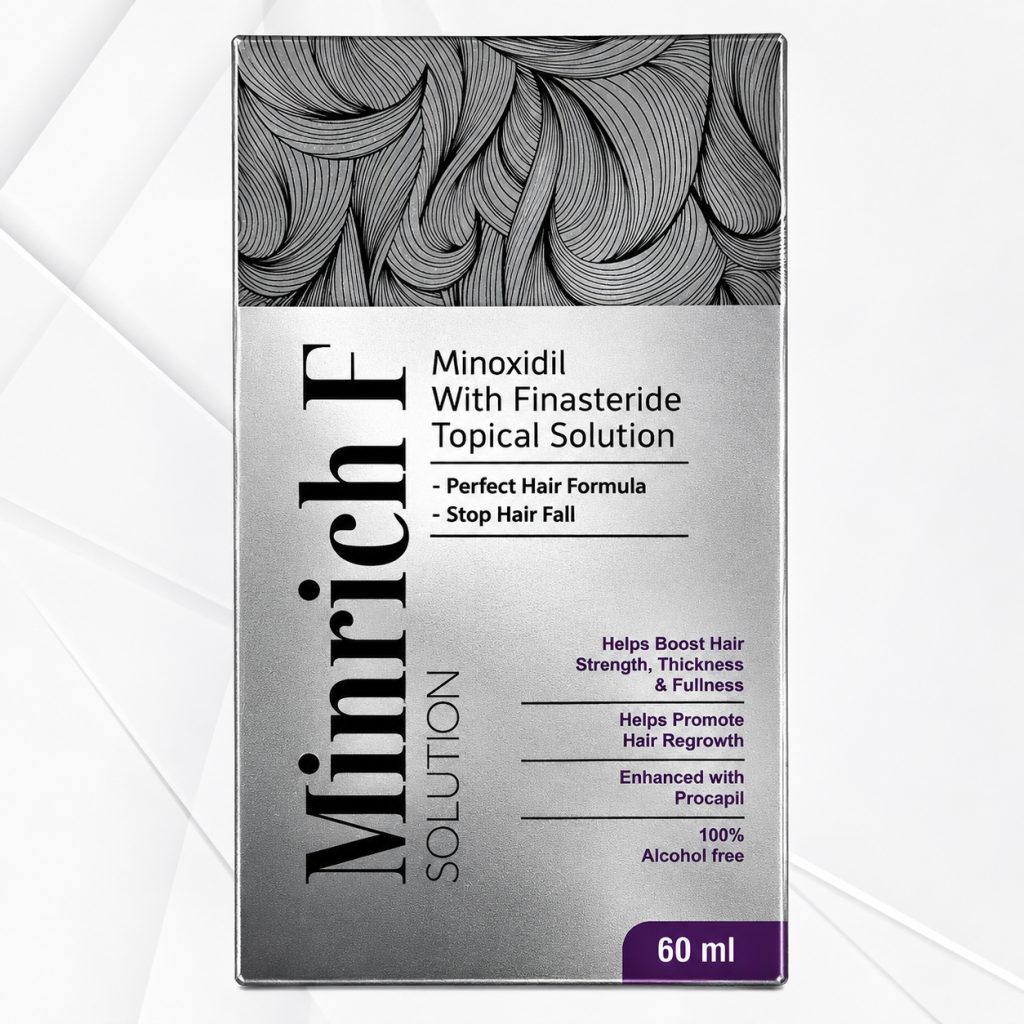
Original price was: KShs 3,000.KShs 2,500Current price is: KShs 2,500.Minrich F Topical Solution
Original price was: KShs 3,000.KShs 2,500Current price is: KShs 2,500.

Why Shedding Happens
When you start using Minoxidil, hairs that are already in the shedding phase are pushed out more quickly.
This creates space for new, stronger hairs to grow.
In simple terms:
Old, weak hairs fall out → new, healthier hairs replace them.
When Does Shedding Start?
Minoxidil shedding usually:
- begins within 2 to 6 weeks
- may last a few weeks
This varies depending on the individual.
Is It a Good Sign?
In many cases, yes.
Shedding often means that your hair follicles are responding to treatment and transitioning into a healthier growth cycle.
Should You Stop Using Minoxidil?
No. This is where most people make a mistake.
Stopping during the shedding phase can interrupt progress and reduce your chances of regrowth.
Consistency is key.
Final Thoughts
Minoxidil shedding may feel discouraging, but it is often part of the process. Focus on long-term results rather than short-term changes.
If you stay consistent, shedding is usually followed by reduced hair fall and gradual regrowth.