

Understanding Acne
Acne is one of the most common skin conditions affecting teenagers and adults. It occurs when hair follicles become clogged with oil, dead skin cells, and sometimes bacteria.
Although acne is often associated with adolescence, many adults also experience breakouts due to hormonal changes, stress, skincare products, or lifestyle factors.
Acne can appear in different forms, including blackheads, whiteheads, inflamed pimples, and deeper cystic lesions.
Understanding the causes of acne is essential for choosing the right treatment and preventing long-term skin damage such as acne scars or hyperpigmentation.
How Acne Forms
Acne develops through a combination of four main factors:
Excess Oil Production
The skin naturally produces oil (sebum) to keep itself hydrated and protected. However, when too much oil is produced, it can combine with dead skin cells and clog pores.
Clogged Pores
Dead skin cells normally shed from the surface of the skin. When this process becomes irregular, these cells accumulate and block pores.
Bacteria
When pores become clogged, bacteria can multiply inside the follicle. This can trigger inflammation and lead to swollen pimples or cystic acne.
Inflammation
Inflammation causes redness, swelling, and pain associated with acne lesions.
When these four factors combine, acne lesions begin to form.
Types of Acne
Different types of acne require different treatment approaches.
Blackheads (Open Comedones)
Blackheads occur when pores become clogged but remain open at the surface. The dark appearance is caused by oxidation, not dirt.
Whiteheads (Closed Comedones)
Whiteheads form when a clogged pore remains closed, trapping oil and dead skin cells beneath the skin.
Papules
Papules are small inflamed bumps that appear red or pink and may feel tender.
Pustules
These are inflamed pimples that contain pus. They often appear red at the base with a white or yellow center.
Nodules and Cystic Acne
These are deeper, more severe forms of acne that occur when inflammation extends deeper into the skin.
Cystic acne often requires professional treatment to prevent scarring.
Common Causes of Acne
Acne can develop due to several factors.
Hormonal Changes
Hormones play a major role in acne formation. Increased androgen levels stimulate oil production, which can clog pores.
Hormonal fluctuations during puberty, menstruation, pregnancy, or stress may trigger breakouts.
Skincare Products
Heavy creams, oily cosmetics, and comedogenic products can clog pores and worsen acne.
Diet
Certain dietary factors such as high-glycemic foods may influence acne in some individuals.
Stress
Stress can increase hormone levels that stimulate oil production, contributing to breakouts.
Genetics
If acne runs in your family, you may be more prone to developing it.
Acne and Hyperpigmentation
In darker skin tones, acne often leaves behind post-inflammatory hyperpigmentation (PIH).
These dark marks appear after a pimple heals and can last for weeks or months.
Preventing inflammation and treating acne early can help reduce the risk of these marks.
Acne Treatment Approaches
Successful acne treatment focuses on addressing the root causes.
Oil Control
Products that regulate oil production help prevent pores from becoming clogged.
Gentle Exfoliation
Exfoliating ingredients help remove dead skin cells and prevent blocked pores.
Anti-Inflammatory Care
Reducing inflammation helps calm active breakouts and prevents further irritation.
Skin Barrier Support
Maintaining a healthy skin barrier is important for preventing irritation and improving skin healing.
Recommended Routine for Acne-Prone Skin
Morning Routine
Gentle cleanser
Acne treatment or serum
Lightweight moisturizer
Sunscreen
Evening Routine
Cleanser
Targeted acne treatment
Moisturizer
Consistency is key when managing acne.
Products That May Help
Depending on your skin type and acne severity, certain treatments may help improve breakouts.
Recommended options may include:
• acne treatment gels
• exfoliating treatments
• oil-balancing skincare
• barrier-repair moisturizers
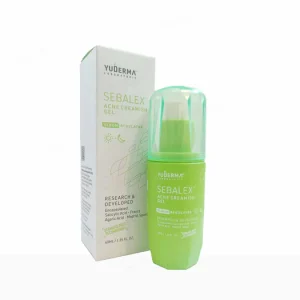


Yuderma Sebalex Acne Creamish Gel
- Targets mild to moderate acne and blemishes.
- Reduces excess sebum and controls oiliness.
- Refines skin texture and tightens enlarged pores.
- Promotes a more youthful, radiant complexion.
Professional Treatments for Acne
Some cases of acne may benefit from professional treatments.
These may include:
• chemical peels
• microneedling for acne scars
• professional extractions
• medical acne therapies
A professional consultation can help determine the most appropriate treatment plan.
When to Seek Professional Advice
Consider professional guidance if:
• acne is severe or painful
• acne leaves scars
• over-the-counter treatments are not helping
• breakouts are persistent
Early treatment can prevent long-term skin damage.
Take the Skin Assessment
If you are unsure what is causing your breakouts, start with our quick skin assessment.
This helps identify your skin type and suggests solutions that may work best for your skin.