
Understanding Hair Loss
Hair loss is one of the most common concerns affecting both men and women. While it can be alarming, understanding why hair loss happens is the first step toward choosing the right treatment.
Hair grows in cycles, and it is normal to lose some hair every day. However, excessive shedding, thinning hairlines, or widening parts may indicate that something is disrupting the natural hair growth cycle.
Common causes of hair loss include hormonal changes, genetics, stress, scalp conditions, nutritional deficiencies, and certain medications.
The good news is that many types of hair loss can be managed or reversed when the underlying cause is addressed early.
The Hair Growth Cycle
Hair does not grow continuously. Each strand of hair follows a repeating cycle made up of four stages of growth and rest. Understanding these stages helps explain why hair shedding happens and why treatments take time to show results.
1. Anagen Phase (Growth Phase)
This is the active growth stage where hair follicles produce new hair fibers.
During this phase, cells in the hair bulb divide rapidly, allowing the hair shaft to grow longer.
The anagen phase can last between 2 and 7 years, depending on genetics and overall health. The longer a hair stays in this phase, the longer it can grow.
At any given time, about 85–90% of the hair on your scalp is in the anagen phase.
Hair growth treatments aim to prolong this phase, allowing hair to grow thicker and longer.
2. Catagen Phase (Transition Phase)
The catagen phase is a short transition stage that signals the end of active hair growth.
During this stage:
• the hair follicle shrinks
• growth slows down
• the hair detaches from its blood supply
This stage typically lasts two to three weeks.
Only a small percentage of hair is in this stage at any given time.
3. Telogen Phase (Resting Phase)
In the telogen phase, the hair follicle becomes inactive and the hair stops growing.
The hair remains in the follicle but is no longer attached to the growth center.
This stage lasts around 2–4 months.
Normally, about 10–15% of scalp hairs are in this resting phase.
4. Exogen Phase (Shedding Phase)
The exogen phase is when the hair strand is finally released and falls out.
This is a natural part of the cycle and explains why people normally shed 50–100 hairs per day.
After the hair sheds, the follicle returns to the anagen phase, and a new hair begins to grow.
Why the Hair Cycle Matters
Hair loss often occurs when the normal hair cycle becomes disrupted.
For example:
• too many hairs entering the telogen phase can cause excessive shedding
• shortened anagen phases can cause hair to grow thinner and shorter
• inflammation or scalp conditions can damage hair follicles
Hair growth treatments work by stimulating follicles and encouraging more hairs to return to the anagen growth phase.
Because hair grows slowly, visible improvement usually takes several months.
Common Causes of Hair Loss
Hormonal Changes
Hormones play a significant role in hair growth. Changes caused by pregnancy, menopause, thyroid conditions, or hormonal imbalances can trigger hair shedding.
Genetics
Hereditary hair loss (androgenetic alopecia) is one of the most common causes of hair thinning and receding hairlines.
Stress
Physical or emotional stress can trigger a type of temporary hair loss known as telogen effluvium, where many hairs enter the shedding phase at once.
Nutritional Deficiencies
Low levels of iron, protein, vitamin D, or other nutrients can affect the ability of hair follicles to grow healthy strands.
Scalp Conditions
Conditions such as dandruff, inflammation, or fungal infections can weaken hair follicles and contribute to hair loss.
Signs of Hair Thinning
You may be experiencing hair thinning if you notice:
• widening hair part
• receding hairline
• excessive shedding during washing or brushing
• thinning around the crown
• slower hair growth than usual
Early intervention often leads to better outcomes.
Treatments That Can Help
Hair loss treatments focus on stimulating hair follicles, improving scalp health, and supporting the hair growth cycle.
Scalp Stimulation
Treatments that increase blood flow to the scalp can help activate dormant hair follicles.
Growth-Stimulating Treatments
Products containing ingredients that stimulate hair growth may help prolong the growth phase of hair.
Scalp Health
A healthy scalp environment is essential for strong hair growth. Gentle cleansing and treating scalp inflammation can support follicle function.
Recommended Hair Growth Products
Based on your hair assessment, these products may help support healthier hair growth:
Hair Growth Treatment
Products designed to stimulate hair follicles and support the hair growth cycle.
Scalp Treatment
Formulations that improve scalp health and reduce inflammation.
Hair Strengthening Solutions
Products that help strengthen existing hair strands and reduce breakage.
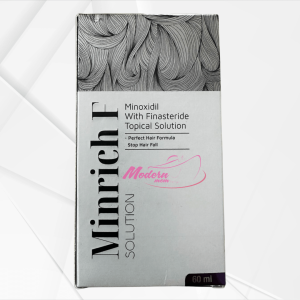


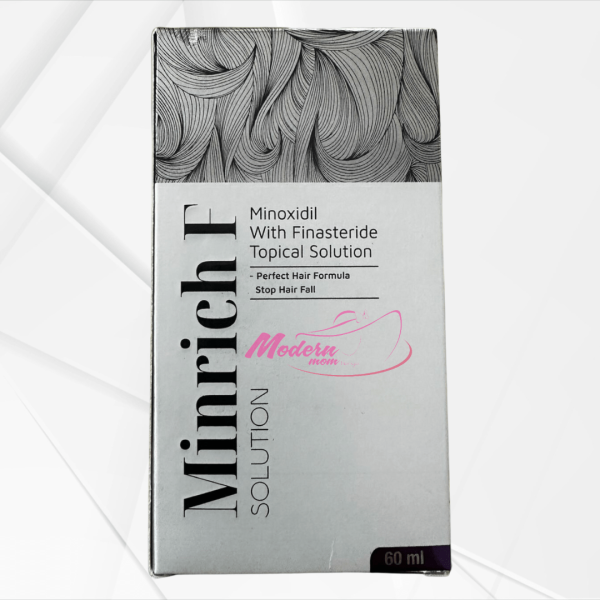


Minrich F Topical Solution
- Perfect hair regrowth formula that works in both men and women
- Excellent blend of powerful ingredients to stop hair fall
- Reactivates hair follicles to stimulate regrowth
Professional Treatments for Hair Loss
In some cases, advanced treatments can help accelerate results.
These may include:
• microneedling for the scalp
• platelet-based therapies such as GFC
• specialized scalp treatments
• medical hair growth solutions
Consulting a professional can help determine which approach is most appropriate for your specific type of hair loss.
When to Seek Professional Advice
You should consider professional consultation if you notice:
• sudden or severe hair loss
• patchy hair loss
• scalp pain or inflammation
• hair loss accompanied by other health symptoms
Early evaluation can help identify underlying causes and prevent further hair loss.
Take the Hair Assessment
If you are unsure about the cause of your hair loss, start with our quick assessment.
👉 Take the Hair Assessment
This will help identify potential causes and guide you toward suitable solutions.